Black elderberry
Plant Whisper
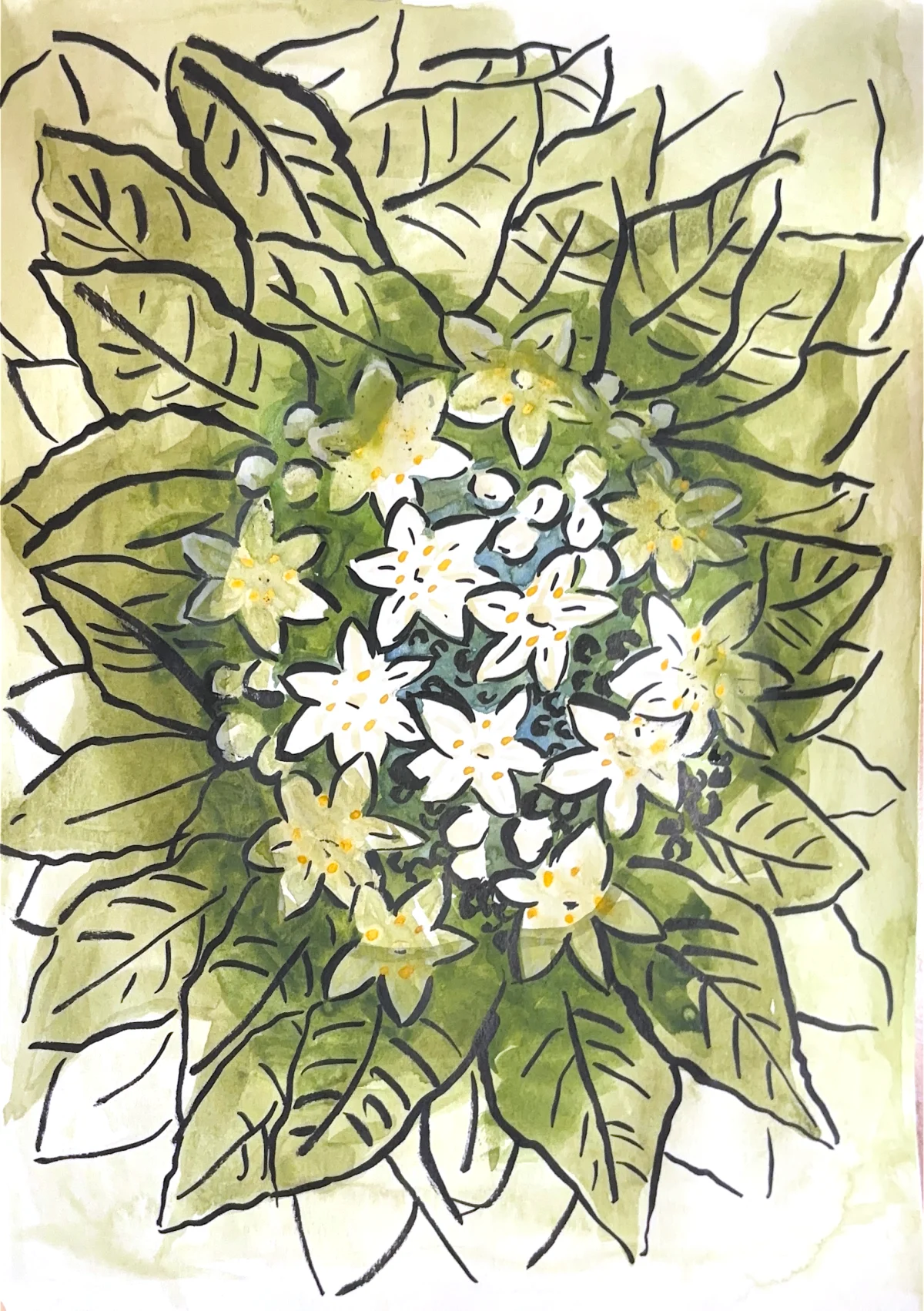
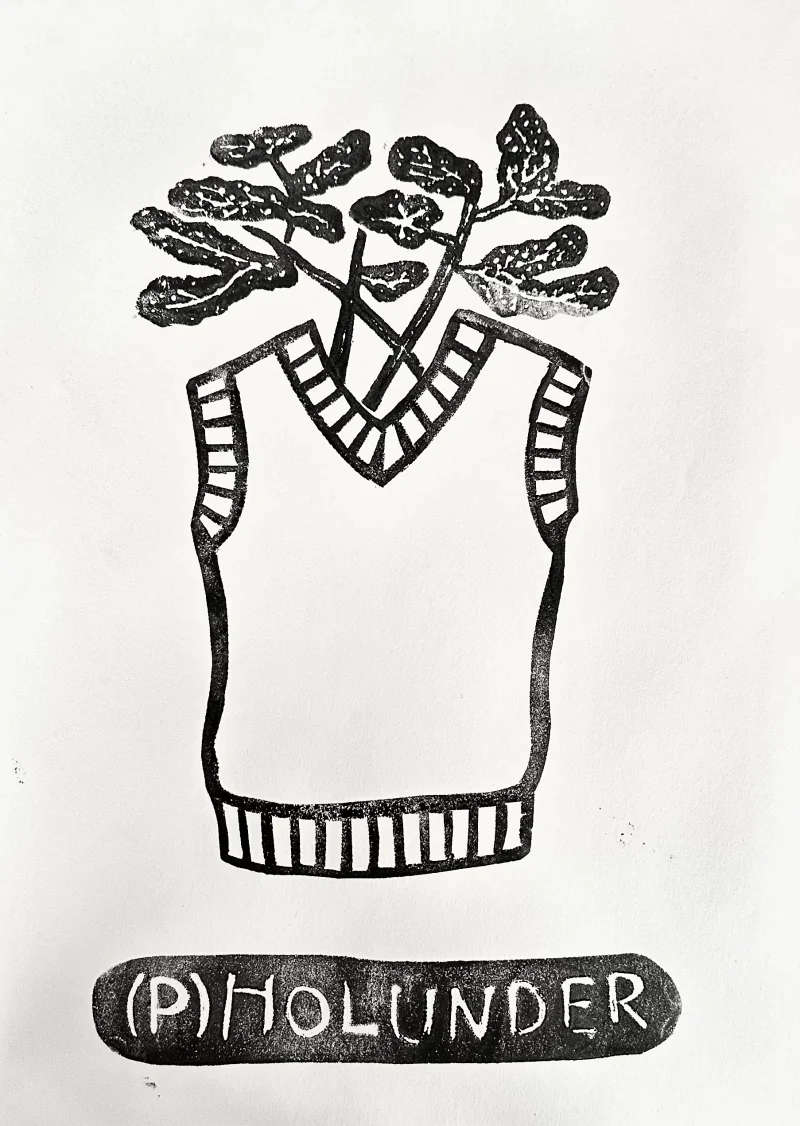
Elderflower fritters, a vest with a handkerchief.
Nose deep in the wobbly, delicate, fragrant blossoms,
yellow dust or powdered sugar clings
even to the greasy pastries.
Delicious!
Elderflower is so important in folk medicine that it appears in a well-known children's rhyme: "Ring around the rosie, three children sit under the elder bush, all going hush, hush, hush." It owes its name—presumably—to the Germanic goddess Hulda; the Celts believed that the protective goddess Hulda lived in the branches. And so, it was forbidden to cut it down.
A practical tip: Elderflower tea can be mixed very well with linden blossom tea and tastes even better that way. Cough and cold teas can be sweetened; for a cold, you can also add a squeeze of lemon juice. Elderberries should not be eaten raw; they should also be strained after cooking. The unsweetened pure juice can be drunk warm to relieve colds, often enriched with ginger and honey. It can also be used to make a delicious soup with cinnamon, cloves, vanilla bean, apple slices, semolina dumplings, or rusks.
...
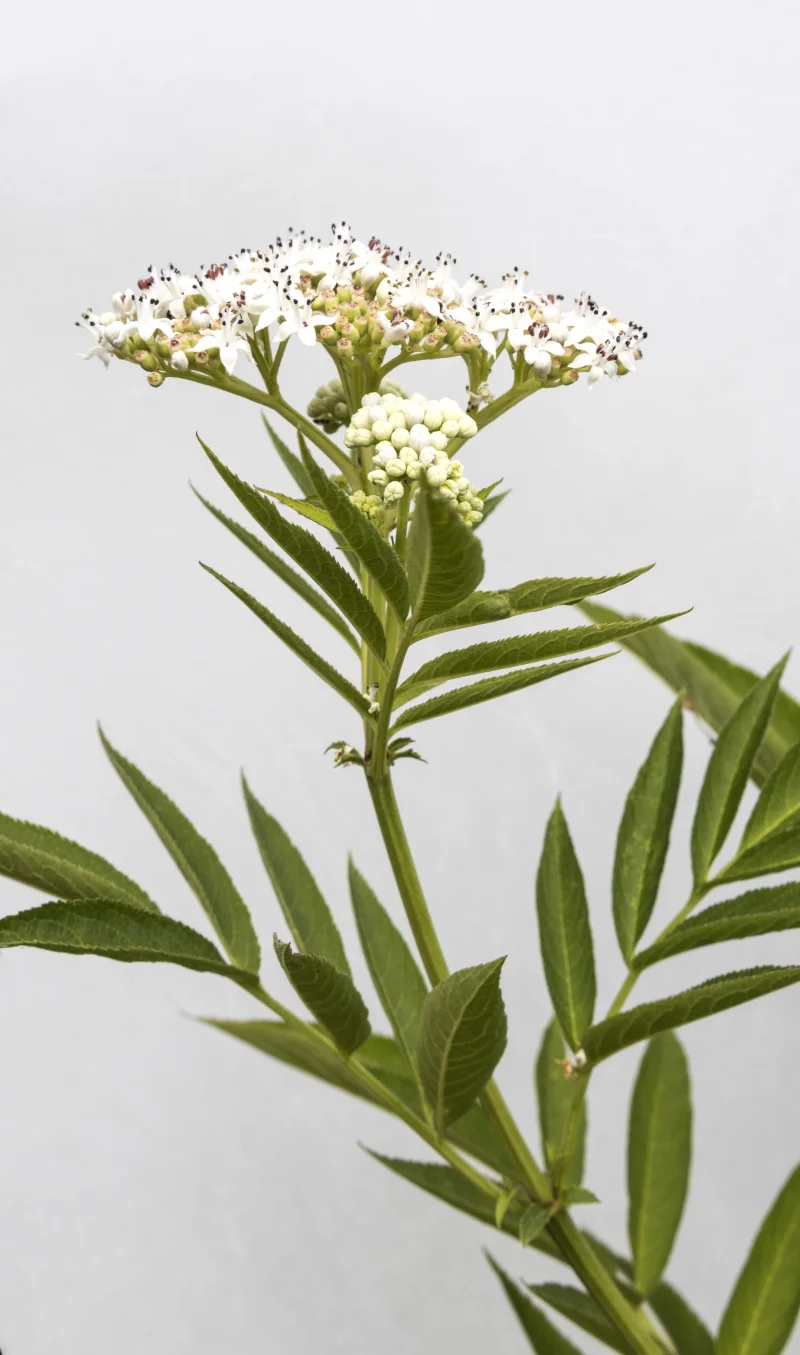
Botanical Facts
 Nutrient-rich bushes and forests
 Hardy
Hardy
 Europe, scattered across Asia
 May - July
 Sunny to partially shaded locations
 Adaptable and grows in almost any normal garden soil, but prefers moist, nutrient-rich, humus-rich, and calcareous soils.
Healing Properties
Traditional Uses: Traditionally, elderberry (Sambucus nigra) was considered the "pharmacy of the isolated farmer," an important medicinal plant believed to have the power to eliminate excess fluids. Indeed, leaves, bark, and roots were traditionally used as a powerful laxative, diuretic, emetic, expectorant, and mucolytic. This is now strongly discouraged. Elderflowers (Sambuci flos) were used to stimulate a different form of elimination: perspiration. The bluish-black elderberries (Sambuci fructus), on the other hand, were considered blood-building and tonic – their dark reddish-blue color, according to traditional views, suggested a connection to blood. Another interesting application of unsweetened elderberry juice was found in Traditional European Medicine: it was used for neuralgia, sciatica, and even shingles.
... From a modern medical perspective: The blossoms contain essential oil with free fatty acids, mucilage, phytosterols, and tannins. They have a diaphoretic effect and increase bronchial secretion. They are used as a diaphoretic for colds and fever and to promote expectoration in coughs. In addition to sambucin (named after elderberry), the berries contain fruit acids, vitamin B2, vitamin C, iron, and folic acid, as well as the toxic sambunigrin, which must be rendered harmless by heating. They also have an antioxidant effect; numerous bioactive substances have been identified.
...
Features
 7 – 10 meters
 ❀ (flowers), 🎑🌽 (fruits)
 Unharmed
⚕ (medicinal plant), 🍽 (edible), 🔧 (aromatic plant, dye plant), ☠ (poisonous plant)
Unharmed
⚕ (medicinal plant), 🍽 (edible), 🔧 (aromatic plant, dye plant), ☠ (poisonous plant)
Endangerment Level
–
All information about herbs has been carefully compiled but does not claim to be complete. None of the information provided constitutes medical advice.
GOLDEN RULE for EVERYTHING: Eat only what you know! The rule applies: a handful of wild plants per person and day may be collected on public land. Use only washed plant parts that you can identify clearly – when in doubt, please refrain from using them.
TIP: One advantage of buying over-the-counter medicines from a pharmacy or specialist retailer is the expert advice on your symptoms.