Hedge hyssop
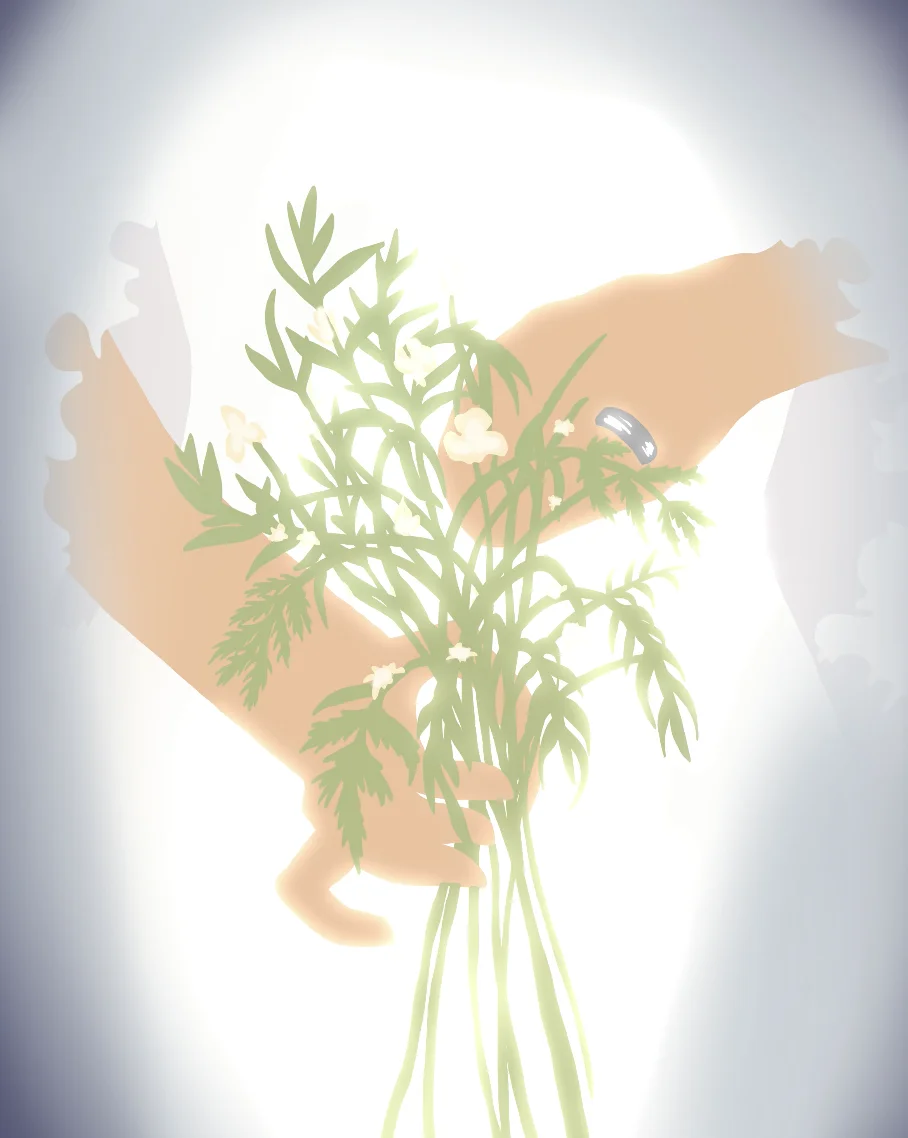
Plant Whisper
The name Gratiola is derived from the Latin word Gratia, meaning "grace," referring to its medicinal properties, as does the German name Gottesgnadenkraut (God's grace herb). Folk names included Erdgalle (earth gall), Gallenkraut (gall herb), Allerheiligenkraut (All Saints' herb), Purgierkraut (purging herb), Gichtkraut (gout herb), and Grazede ("gratia dei," meaning "grace of God"). CAUTION: All parts of the Gratiola plant are highly poisonous and it is no longer used in conventional medicine. Herb Robert (Geranium family) was also called "Gottesgnadenkraut" in the Middle Ages due to its diverse effects and its ability to promote pregnancy. However, today the plant Gratiola officinalis (genus Gnadenkraut in the plantain family) is referred to as Gottesgnadenkraut in German. This leads to misunderstandings, a typical problem in traditional knowledge before the advent of modern botanical nomenclature in the 18th century.
Botanical Facts
 Prefers moist to wet soils
 hardy, frost-resistant
 Europe and Asia
 July to August
 sunny to partially shaded locations
 moderately nutrient-rich, calcareous to poor, base-rich to neutral to slightly acidic soils
Healing Properties
Toxic and no longer used in medicine
Features
 15 and 40, sometimes 60 cm
 The species is listed as highly endangered (threat category 2) on the Red List of endangered ferns and flowering plants of Germany.
 🌷 (entire plant)
☠ (Poisonous plant) No longer used as a poisonous plant today.
🌷 (entire plant)
☠ (Poisonous plant) No longer used as a poisonous plant today.
Endangerment Level
1 - Critically Endangered
All information about herbs has been carefully compiled but does not claim to be complete. None of the information provided constitutes medical advice.
GOLDEN RULE for EVERYTHING: Eat only what you know! The rule applies: a handful of wild plants per person and day may be collected on public land. Use only washed plant parts that you can identify clearly – when in doubt, please refrain from using them.
TIP: One advantage of buying over-the-counter medicines from a pharmacy or specialist retailer is the expert advice on your symptoms.