Broad-leaved plantain
Animation: Lina Schmidt Sound: Lina Schmidt
Plant Whisper
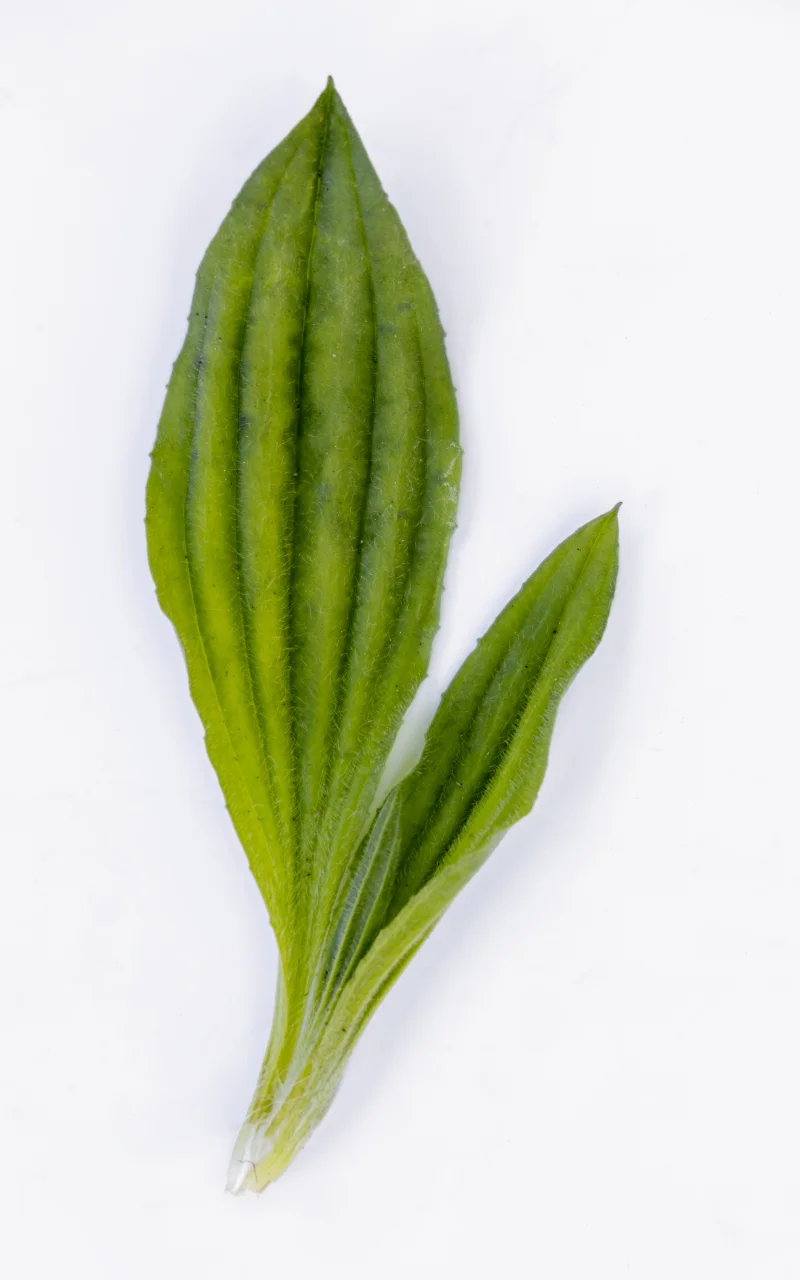
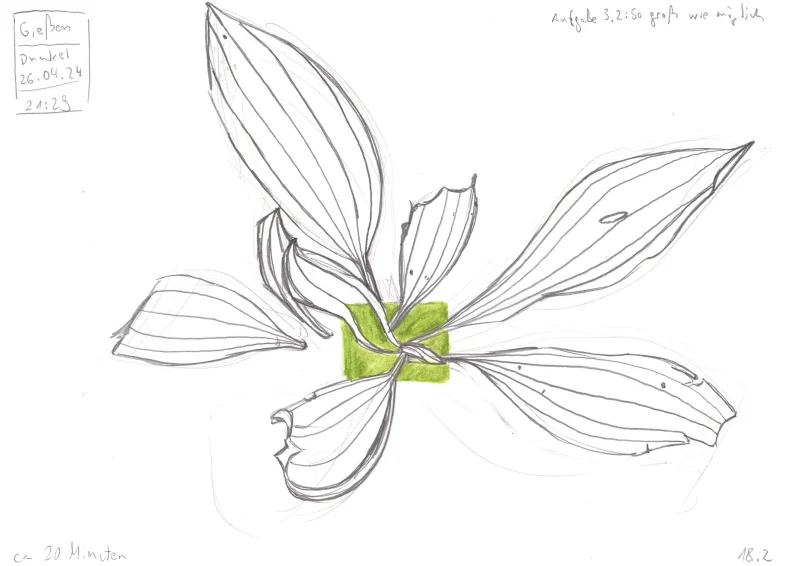
Broadleaf plantain (Plantago major) is native to Europe and Asia and was brought to North America by European settlers in the 17th century – likely unnoticed via seeds on shoes and goods. There, it spread rapidly and is now widespread throughout North America.
Because of its frequent occurrence along paths, Indigenous peoples aptly called it "white man's footprints." This robust plant thrives particularly well in compacted soils and is extremely resilient to trampling. Early on, Indigenous peoples recognized its usefulness and employed it as a versatile medicinal plant, for example, to treat wounds and blisters. Today, broadleaf plantain is considered a well-established invasive species in North America.
Young, tender plantain leaves are delicious raw in salads, while older leaves quickly become fibrous and are better suited for cooked dishes such as stews. They are rich in calcium and other minerals; moreover, 100 g provides about as much beta-carotene as a large carrot.
Botanical Facts
 Roadside verges, intensively farmed pastures, ruderal areas
 Hardy and evergreen in a sheltered location.
 Europe, Asia, now worldwide
 May to October
 Sunny to partially shaded locations
 Firm, compacted soils, paths, lawns.
Healing Properties
Contains many minerals and beta-carotene. Today primarily used as a cold remedy, but generally has anti-inflammatory and astringent properties. Historically widely used in medicine, but demonstrably only weak effectiveness against colds.
Features
 5 – 40 cm
 ❀ (flowers), 🌿 (herb)
 medicinal plant
 Broadleaf plantain is a very valuable plant for insects and an important component of natural gardens. Although it appears inconspicuous, it provides a vital food source. From June to October, it serves as a pollen source for many wild bees, bumblebees, and hoverflies.
Plantain chips: The young leaves can be sautéed in a little oil or even deep-fried, developing a pleasant, mushroom-like aroma.
Seeds as a wild spice: The dried seeds – similar to psyllium husks – have a nutty flavor and are excellent for muesli, bread dough, or as a toasted topping for salads.
Broadleaf plantain is a very valuable plant for insects and an important component of natural gardens. Although it appears inconspicuous, it provides a vital food source. From June to October, it serves as a pollen source for many wild bees, bumblebees, and hoverflies.
Plantain chips: The young leaves can be sautéed in a little oil or even deep-fried, developing a pleasant, mushroom-like aroma.
Seeds as a wild spice: The dried seeds – similar to psyllium husks – have a nutty flavor and are excellent for muesli, bread dough, or as a toasted topping for salads.
Endangerment Level
* Least Concern
All information about herbs has been carefully compiled but does not claim to be complete. None of the information provided constitutes medical advice.
GOLDEN RULE for EVERYTHING: Eat only what you know! The rule applies: a handful of wild plants per person and day may be collected on public land. Use only washed plant parts that you can identify clearly – when in doubt, please refrain from using them.
TIP: One advantage of buying over-the-counter medicines from a pharmacy or specialist retailer is the expert advice on your symptoms.