Apothecary's rose
Animation: Hannah Philipsen Sound: Hannah Philipsen
Plant Whisper
I am the Apothecary's Rose (Rosa gallica ‘Officinalis’) and I will delight your senses… a noble medicinal and culinary plant with a long tradition. My fragrant blossoms are edible and versatile – whether as delicate rose water, in jams and jellies, or as a decorative ingredient in desserts and salads.
They also unfold their special aroma as a syrup or tea, and candied, they become a sweet, almost regal delicacy.
It is important to use only unsprayed blossoms – ideally from your own garden or a trusted source. Before processing, my white petal bases should be removed, as they can taste slightly bitter.
Rose tea made from the Apothecary's Rose is easy to prepare at home and is an aromatic, healthy beverage. It is best to use unsprayed, intensely fragrant blossoms – fresh or dried. For one cup, a handful of petals is sufficient; pour about 250 ml of boiling water over them. If desired, the tea can be sweetened with honey or lemon.
Botanical Facts
 Dry forests and shrubland edges
 Mostly winter-hardy. Many varieties can be damaged without protection, especially in harsh winters.
 Central to Southern Europe, Black Sea region
 June to July/August
 Sunny to partially shaded
 Permeable, not too wet
Healing Properties
Unlike the common rose, the apothecary rose has semi-double blossoms, and its characteristic rose fragrance is even more intense. As with other rose varieties, the anti-inflammatory and astringent properties of its components make it suitable for preparing ointments for chapped or inflamed skin.
The apothecary rose also has a calming and balancing effect on the mind. Its fragrance, or rather its rose oil, is frequently used in aromatherapy to lift the spirits, reduce stress, and potentially alleviate anxiety. It also supports emotional balance and can be comforting in times of grief or heartbreak. Its fragrance is said to be captivating and promote relaxation. Why not try it and smell an apothecary rose?
...
Features
 100 cm
 flowers
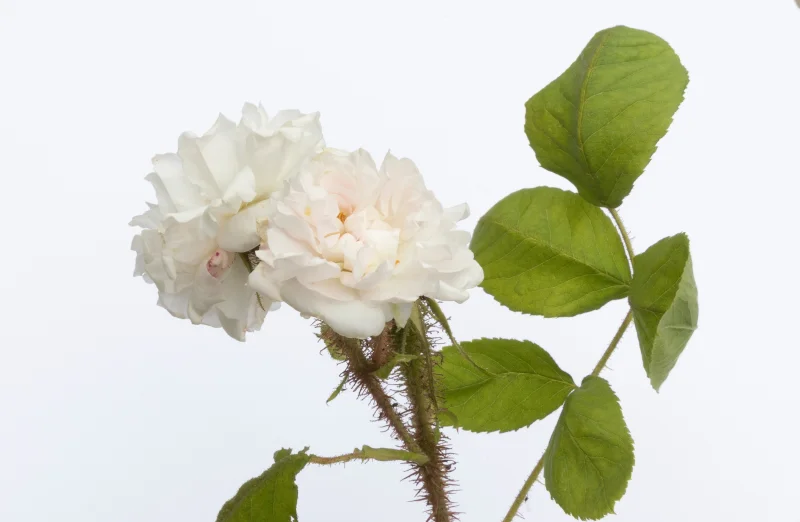
 Unlike fully double rose varieties, the apothecary rose has a single to semi-double flower shape. This leaves the stamens easily accessible, allowing bees, bumblebees, hoverflies, and other insects easier access to pollen and nectar.
Medicinal plant, ornamental plant
Unlike fully double rose varieties, the apothecary rose has a single to semi-double flower shape. This leaves the stamens easily accessible, allowing bees, bumblebees, hoverflies, and other insects easier access to pollen and nectar.
Medicinal plant, ornamental plant
 The rose was used in herbal remedies, ointments, syrups, and rose water, and was a staple of medieval and Renaissance gardens. Monks, physicians, and early apothecaries used its petals to treat digestive problems, inflammation, and skin diseases.
The original species of many modern garden roses. In Germany, the natural form reaches the northern edge of its distribution.
The rose was used in herbal remedies, ointments, syrups, and rose water, and was a staple of medieval and Renaissance gardens. Monks, physicians, and early apothecaries used its petals to treat digestive problems, inflammation, and skin diseases.
The original species of many modern garden roses. In Germany, the natural form reaches the northern edge of its distribution.
Endangerment Level
1 - Critically Endangered
All information about herbs has been carefully compiled but does not claim to be complete. None of the information provided constitutes medical advice.
GOLDEN RULE for EVERYTHING: Eat only what you know! The rule applies: a handful of wild plants per person and day may be collected on public land. Use only washed plant parts that you can identify clearly – when in doubt, please refrain from using them.
TIP: One advantage of buying over-the-counter medicines from a pharmacy or specialist retailer is the expert advice on your symptoms.