Wild Strawberry
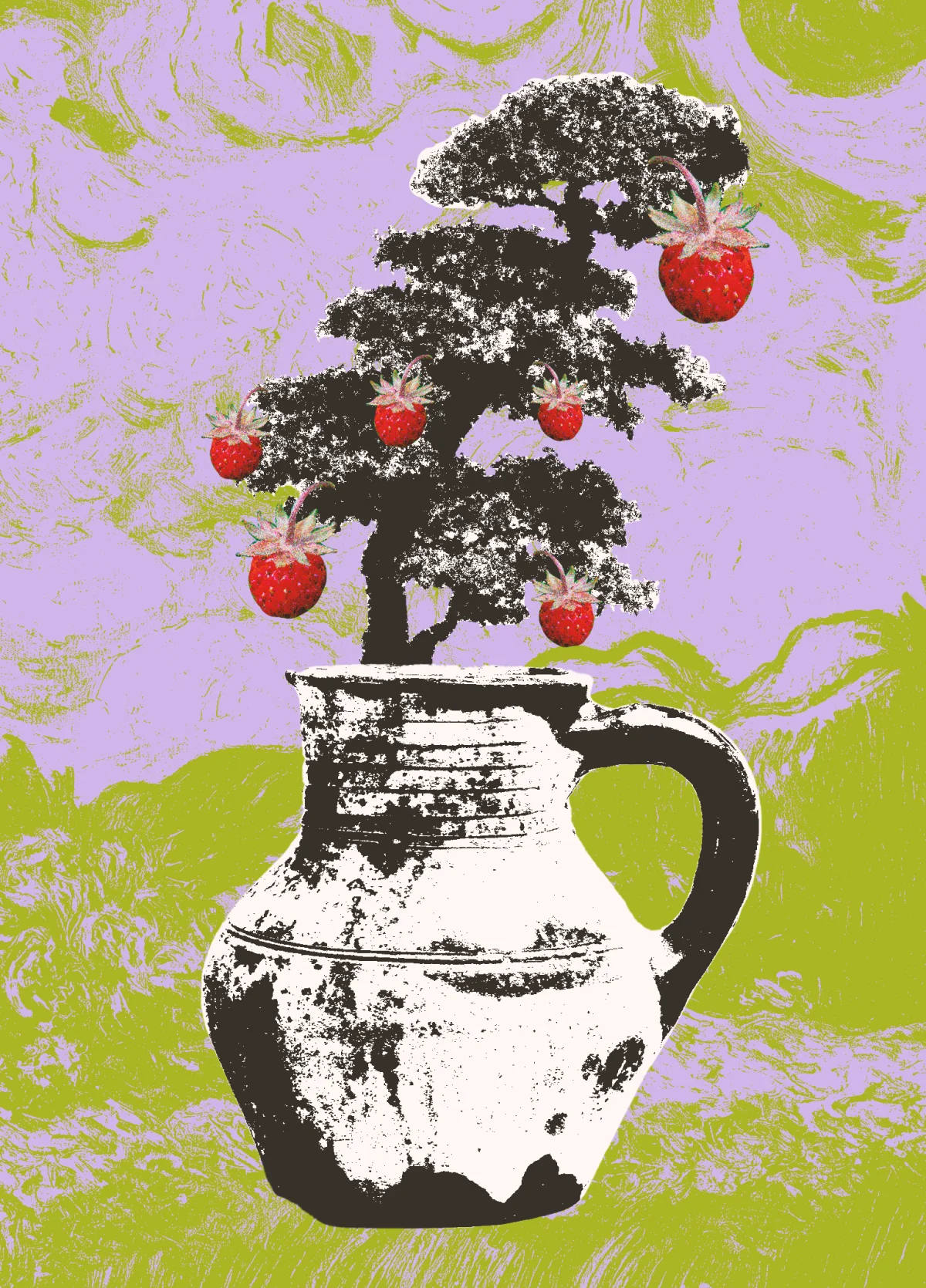
Plant Whisper
I am the native wild strawberry, and I offer you renewed strength… a delicate yet potent medicinal plant.
Priced for centuries, I hide my small, aromatic fruits and leaves close to the forest floor, rewarding those who look closely. Compared to my larger relative, the American garden strawberry, I remain modest in size, but rich in valuable nutrients. My fruits contain plenty of vitamin C (up to 50 mg per 100 g), folic acid, and minerals such as iron – essential for energy supply and tissue regeneration, especially after childbirth. In the Middle Ages, this strengthening effect was well-known: New mothers were given a bowl of wild strawberries in the morning to replenish their strength.
However, as beneficial as I am, caution is advised: If a breastfeeding mother consumes large quantities, sensitive babies may develop a rash.
With the introduction of the more productive garden strawberry, my former significance faded somewhat into the background, but my unique character remains.
And did you know?
In the Church, May is considered the month of Mary. Mary is often depicted sitting among strawberry plants. These images carry a deeper meaning: I embody seemingly contradictory qualities—I can bloom and bear fruit simultaneously. In doing so, I break the established order of nature.
This is precisely where my connection to Mary lies: She is both Virgin and Mother—blossom and fruit in one person. Thus, I symbolically represent the mystery of faith and remind us that not everything can be explained by human logic.
Botanical Facts
 Slightly damp, fresh to moist forests
 Hardy
Hardy
 Europe and Northern Asia
 Spring to autumn
 Part shade to sun
 Prefers well-drained, nutrient-rich and humus-rich soils, including clay soils. Suitable for fresh to moist woodlands.
Healing Properties
The fruit is rich in vitamin C. The leaves contain tannins and have astringent (constricting) properties, making them suitable for treating mild diarrhea, as well as for anti-inflammatory and wound-healing effects.
It has also been used historically for treating diarrhea, wounds, and gout.
Features
 Height: 5 - 25 cm
 Flowers, leaves, fruits
 The flowers of the wild strawberry are rich in pollen and nectar and attract many insects such as wild bees.
 Fruits and leaves
 The earlier use of the berries declined with the introduction of the more productive garden strawberry from America.
Endangerment Level
* Least Concern
All information about herbs has been carefully compiled but does not claim to be complete. None of the information provided constitutes medical advice.
GOLDEN RULE for EVERYTHING: Eat only what you know! The rule applies: a handful of wild plants per person and day may be collected on public land. Use only washed plant parts that you can identify clearly – when in doubt, please refrain from using them.
TIP: One advantage of buying over-the-counter medicines from a pharmacy or specialist retailer is the expert advice on your symptoms.