violet
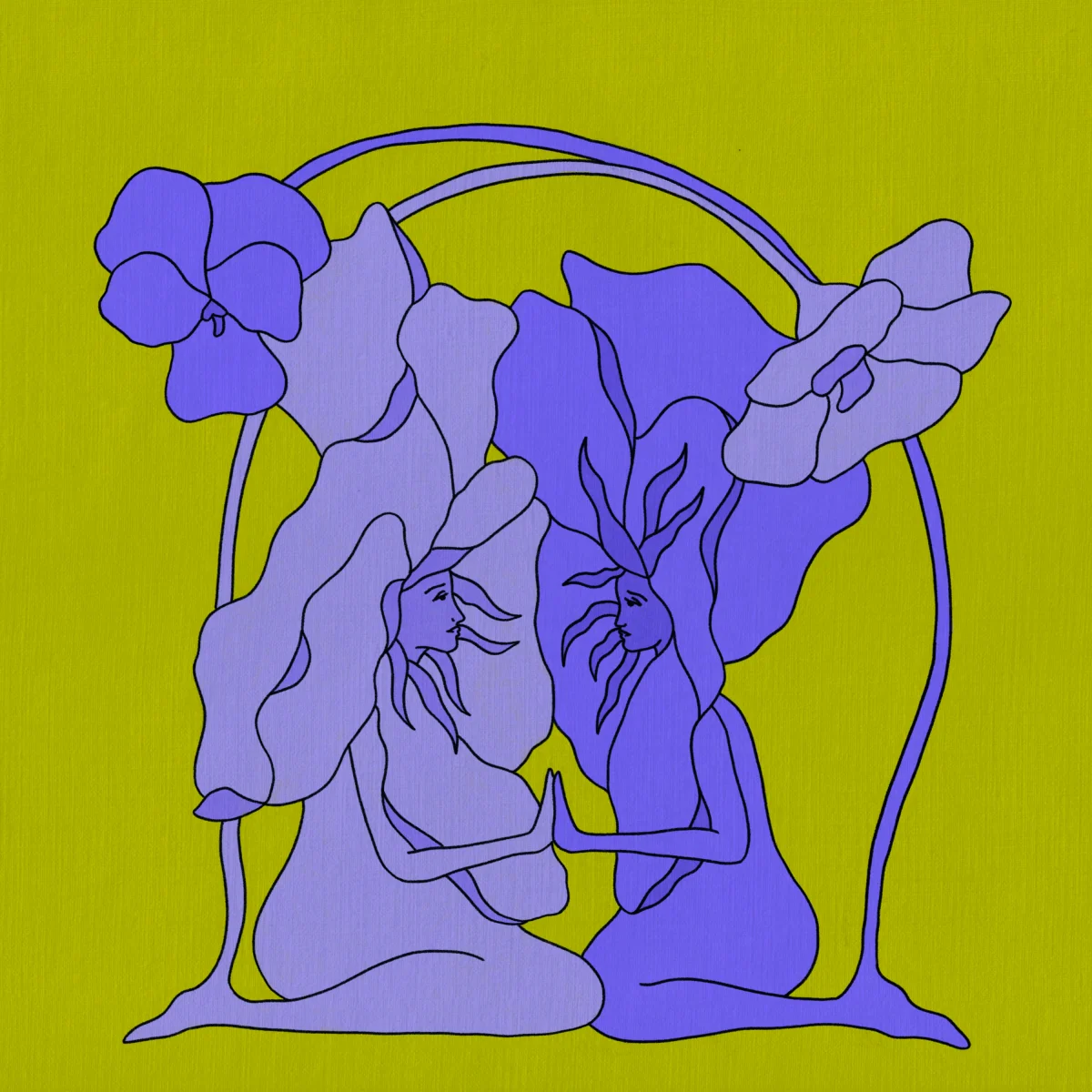
Plant Whisper
Violets are important for many insects: their blossoms provide pollen and nectar for numerous insects. Wild bees and bumblebees, in particular, use them as a food source. Many butterflies, such as the endangered Mayflower and the threatened Large Heath, preferentially lay their eggs on violet species, as their caterpillars are specialized to these plants. To spread, many violet species also utilize ants. These ants transport the seeds, which are equipped with nutrient-rich appendages called elaiosomes, to their nests. Violet species "pay" the ants with a small appendage, rich in fat and other nutrients, to carry the seeds to the nest, sometimes several meters away. There, only the nutritious appendages are eaten. The seeds, however, are safely deposited and can germinate better, protected from wind, weather, and predators. This ingenious cooperation between plant and ant is called myrmecochory.
Botanical Facts
 Fresh to slightly damp, but no waterlogging
 Hardy down to -20°C
 Europe, Asia
 March to April, sometimes as early as the end of February. Rarely, a second bloom occurs in September and October.
 shady, cool, humus-rich and consistently moist
 Bushes, forest edges
Healing Properties
Respiratory diseases, lipid-lowering, vasodilating
Features
 5 - 15 cm
 ❀ (flowers), 🌿 (herb)
 Provides food for numerous insect species, including 2 wild bee species and about 12 butterfly species, particularly important for the silver-washed fritillary butterfly as caterpillar food.
💐 (ornamental plant), 🔧 (perfume), 🍽 (edible)
Provides food for numerous insect species, including 2 wild bee species and about 12 butterfly species, particularly important for the silver-washed fritillary butterfly as caterpillar food.
💐 (ornamental plant), 🔧 (perfume), 🍽 (edible)
Endangerment Level
* Least Concern
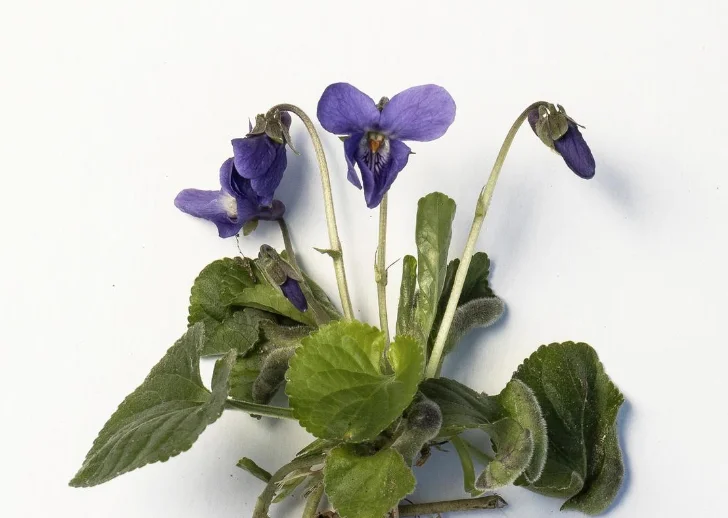
All information about herbs has been carefully compiled but does not claim to be complete. None of the information provided constitutes medical advice.
GOLDEN RULE for EVERYTHING: Eat only what you know! The rule applies: a handful of wild plants per person and day may be collected on public land. Use only washed plant parts that you can identify clearly – when in doubt, please refrain from using them.
TIP: One advantage of buying over-the-counter medicines from a pharmacy or specialist retailer is the expert advice on your symptoms.